 Ken's Site
01|Vegetarianism as a Choice at the Dining Table
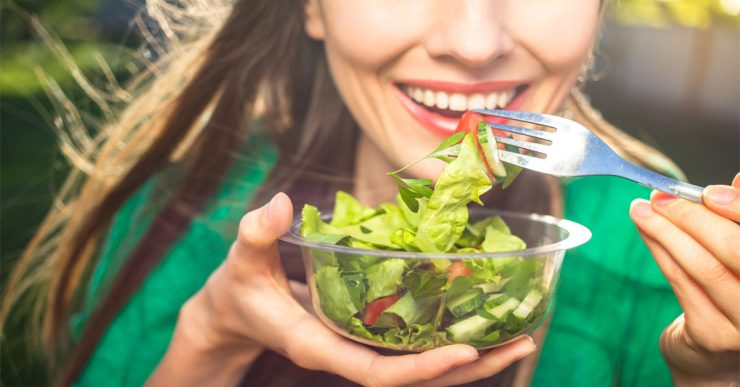
Our three daily meals may seem ordinary, yet they are deeply connected to the way we live.
A bowl of rice, a plate of vegetables, and a bowl of soup may appear to be nothing more than food to satisfy our hunger, but behind them lie connections to agriculture, production, the environment, culture, and our individual lifestyles.
For some people, vegetarianism is a long-term way of life; for others, it may simply mean choosing a vegetarian meal from time to time.
There is therefore no single definition of what it means to “eat vegetarian.”
Some people avoid meat entirely, some do not eat meat but still consume eggs and dairy products, while others make plant-based foods the main part of their diet while occasionally eating other foods.
What matters is not creating a fixed standard for everyone’s dining table, but understanding why we make the choices we do.
Food is part of everyday life, and our daily habits often reveal our values more clearly than anything else.
02|Why Do People Choose to Eat Vegetarian?
Everyone has different reasons for choosing a vegetarian diet.
Some people want to adjust their eating habits by increasing their intake of vegetables, beans, whole grains, and other plant-based foods. Others care about animal welfare and hope to reduce their reliance on animal-based foods. Some think about food from an environmental perspective and hope that their dietary choices can reduce their impact on natural resources and the environment.
Others choose vegetarianism because of religious beliefs.
In certain cultural and religious traditions, vegetarianism is connected with ideas such as compassion, non-violence toward living beings, self-cultivation, and spiritual practice.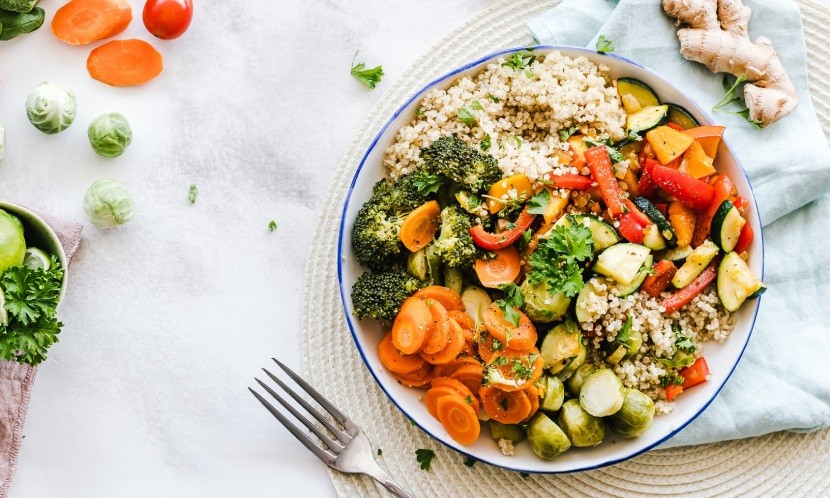
For others, eating vegetarian may simply come from a love of the freshness and natural flavors of vegetables.
None of these reasons is necessarily more noble than another.
What truly matters is being able to understand our own choices and being willing to take responsibility for what we eat.
03|Vegetarian Food Is More Than Just Vegetables
When many people first encounter vegetarian cuisine, they imagine a dining table filled with nothing but vegetables, tofu, and white rice.
In reality, modern vegetarian cuisine has become remarkably diverse.
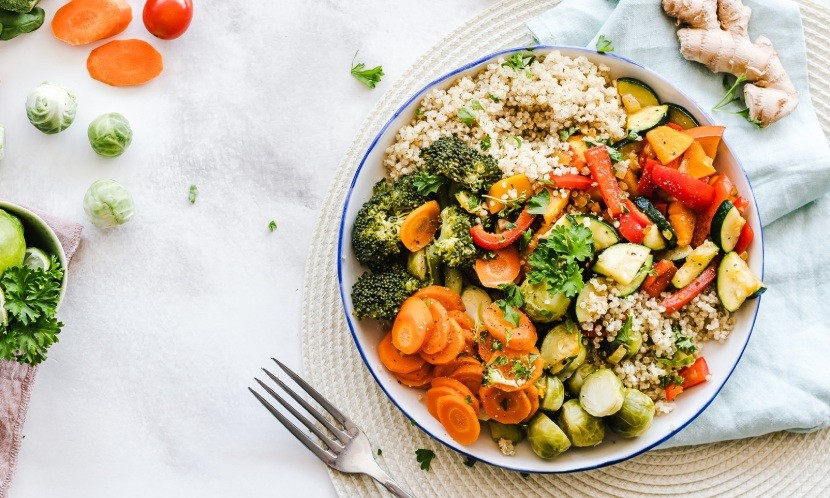
Tofu, dried tofu, beans, nuts, seeds, whole grains, and all kinds of fresh vegetables can serve as important ingredients in a meal.
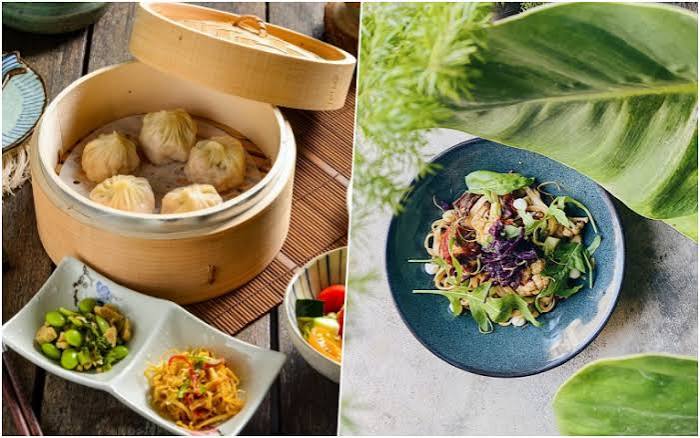
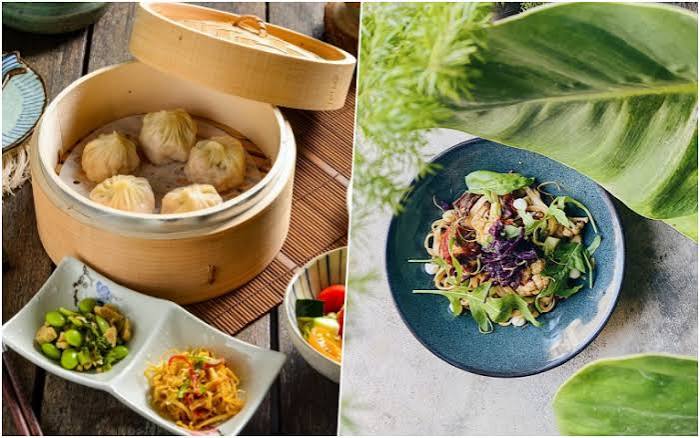
From traditional home-style dishes to pasta, curry, salads, burgers, hot pot, and even desserts, vegetarian cuisine can take many different forms.
The truly fascinating part is that plant-based ingredients themselves offer an extraordinary variety of colors, aromas, and textures.
The sweet and tangy flavor of a tomato, the rich umami of mushrooms, the delicate texture of tofu, and the simple warmth of a bowl of mixed grains can all come together to create a complete and layered meal.
Eating vegetarian does not mean giving up delicious food.
It means learning to rediscover deliciousness through different ingredients.
04|A Vegetarian Diet Also Requires Nutritional Balance
Choosing a vegetarian diet does not automatically mean that one’s nutrition will be complete.
If someone relies heavily on refined carbohydrates, highly processed meat substitutes, or only a limited range of foods over the long term, nutritional imbalances can still occur.
For this reason, variety is especially important when following a vegetarian diet. A balanced vegetarian diet should include diverse sources of protein, iron, calcium, vitamin B12, and other essential nutrients. :contentReference[oaicite:0]{index=0}
| Nutritional Aspect | Common Food Sources | Dietary Reminder |
|---|---|---|
| 🌾 Carbohydrates | Brown rice, oats, sweet potatoes, whole grains | Choose minimally refined whole grains when possible |
| 🫘 Protein | Soybeans, tofu, beans, nuts | Include a source of protein with each meal |
| 🥬 Dietary Fiber | Vegetables, fruits, beans, whole grains | Include a wide variety of foods |
| 🥜 Healthy Fats | Nuts, seeds, plant oils | Pay attention to portion sizes |
| 🥛 Calcium | Soy products, dark green vegetables, calcium-fortified foods | Adjust intake according to individual needs |
| ☀️ Vitamin B12 | Fortified foods or dietary supplements | Especially important for people following a vegan diet |
| 🩸 Iron | Beans, dark green vegetables, whole grains | Pair with foods rich in vitamin C |
People who follow a vegan diet for a long time, as well as pregnant women, children, older adults, and those with special nutritional needs, should pay particular attention to whether their nutrient intake is adequate. When necessary, they can consult a doctor or registered dietitian. :contentReference[oaicite:1]{index=1}
A healthy vegetarian diet is not simply about “what you do not eat”; more importantly, it is about “what you do eat.”
05|Vegetarianism as a Way of Connecting with Nature
When we sit down at the dining table, it is easy to forget that our food once came from the land.
A grain of rice needs sunlight and water. A vegetable needs soil and time. Even a single bean has gone through planting, growth, and harvest.
When we begin to pay attention to where our food comes from, we may realize that human beings have never truly been separate from nature.
In recent years, people have also become increasingly interested in the relationship between food and the environment. In some circumstances, a diet centered more heavily on plant-based foods can be one lifestyle choice for reducing environmental impacts.
But environmental issues cannot simply be reduced to “vegetarianism is environmentally friendly” or “eating meat is environmentally harmful.”
The way food is produced, transported, processed, and wasted, as well as the overall structure of our diets, can all influence the environment.
Therefore, rather than judging one another, perhaps it is more meaningful to ask:
Can we begin with every meal, waste a little less, and appreciate a little more?
06|Vegetarianism Should Not Become a Reason to Judge Others
Food is deeply personal.
Some people eat vegetarian, while others do not. Some choose vegetarian food because of their beliefs, while others follow different diets because of their physical needs.
Everyone has a different family background, culture, living environment, and physical condition.
Therefore, what vegetarianism truly calls for may not be comparing who is “more ethical,” but cultivating a little more understanding.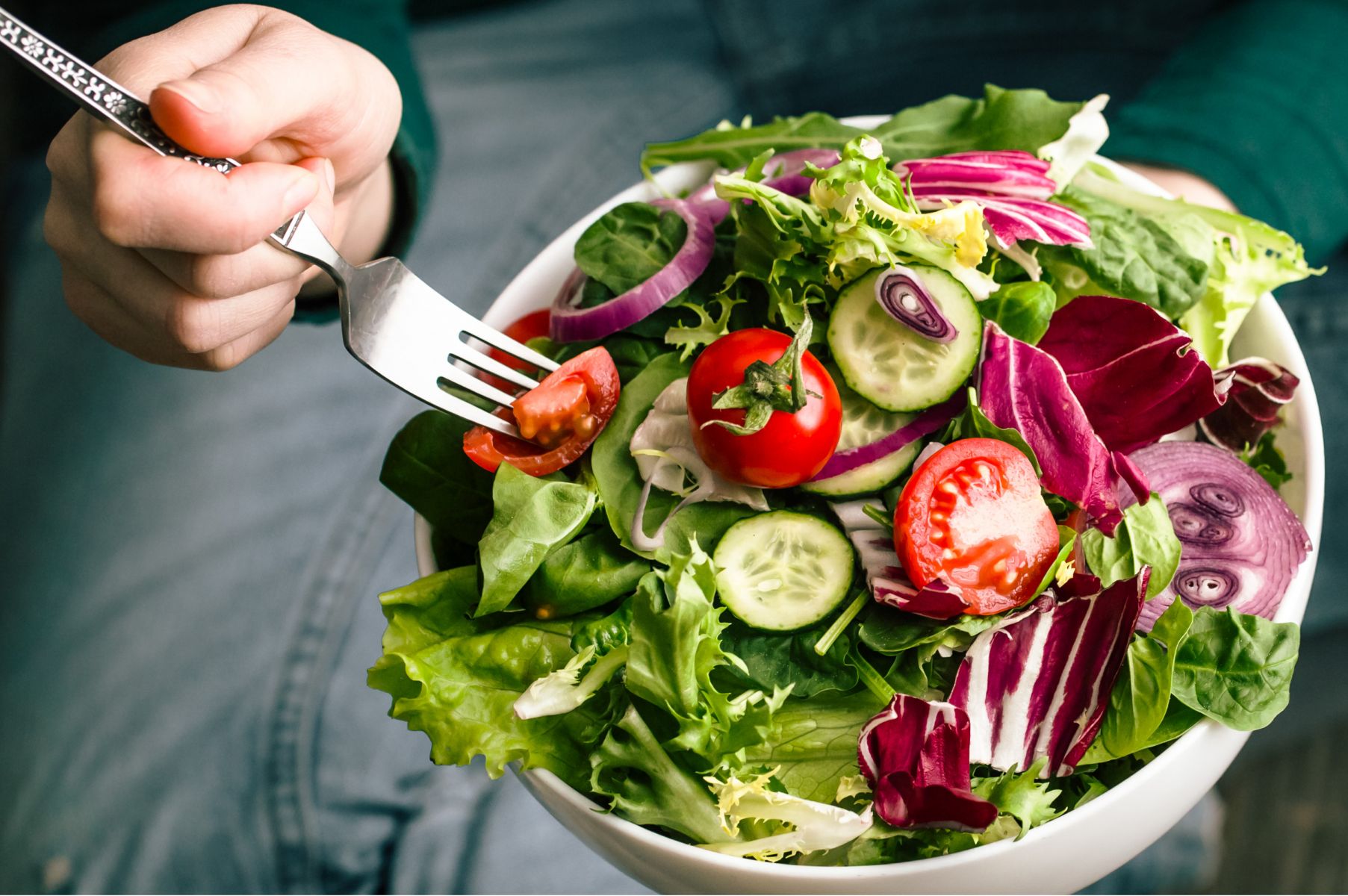
If someone wants to try vegetarian food, they can begin with just one meal.
There is no need to change every habit all at once, nor is there any need to blame yourself when you occasionally cannot follow your intentions.
Life is not an examination.
There is no need to pursue perfection at the cost of losing the joy and freedom that food should bring.
07|Starting with One Meal and Finding Your Own Rhythm
If you would like to try eating vegetarian, you can begin with familiar foods.
For example, you might arrange several vegetarian meals each week and learn to combine beans, tofu, mushrooms, and different vegetables rather than simply removing meat from your meals.
Take time to understand your own body and observe your eating habits.
When we are willing to spend time understanding food, we may discover that eating is actually a fascinating part of life.
A meal can be a form of health management, but it can also carry cultural memories. It can be an environmental choice, or it can simply be something we enjoy.
Ultimately, a way of eating that suits us is the one most likely to become a sustainable part of our lives.
✦ The Philosophy of Vegetarian Living|Practicing Gentleness, Beginning at the Dining Table
| A Small Choice | Underlying Attitude Toward Life |
|---|---|
| 🥗 Eat More Vegetables | Make your diet more diverse |
| 🫘 Add More Beans and Legumes | Learn more about plant-based sources of protein |
| 🌾 Choose Whole Grains | Bring the dining table closer to nature |
| 🍎 Appreciate Food | Reduce unnecessary waste |
| 🍲 Cook for Yourself | Gain a better understanding of what you are eating |
| 🌱 Try Vegetarian Meals Occasionally | Explore different ways of eating with an open mind |
| 🤍 Respect Different Choices | Do not define a person’s worth by their diet |
🌙 Conclusion|A Vegetable, a Bowl of Rice, and a Little More Gentleness
On the surface, vegetarianism is a dietary choice. At a deeper level, it can also be a conversation with ourselves, with life,
and with nature.
It may begin with a very simple thought:
“I want to eat a little more healthily.”
Or it may come from a deeper belief:
“I hope to be a little gentler toward this world.”
Whatever the reason may be, it deserves to be understood.
Meaningful eating has never been about proving that we are better than others. Instead, it is about becoming more aware of what we are choosing.
A plate of vegetables, a bowl of rice, and a glass of soy milk may seem ordinary, yet they can remind us that——life has always existed within the details of everyday life.
What we consume is not only food; we are also choosing a way of living.
May we approach every meal with a little more appreciation, meet different dietary choices with a little more understanding, and learn, through every vegetable and every bowl of rice, how to live gently with ourselves and with the world.
Because sometimes, changing the world does not require a loud voice. It can begin simply with a more conscious and compassionate choice at today’s dining table.