 Ken's Site
01|A Tea Leaf, From the Mountains into Everyday Life
When people think of green tea, they often picture its fresh fragrance, subtle bitterness, and the gentle sweetness that gradually emerges after each sip.
Green tea is made from fresh leaves of the tea plant and undergoes processes such as fixation, which reduces enzymatic activity in the leaves and helps preserve their vibrant green color and fresh character. Differences in origin, cultivar, and production methods can also give tea leaves remarkably different aromas and flavors. :contentReference[oaicite:0]{index=0}
Some people enjoy its refreshing character, some appreciate its gentle bitterness, while others simply love the quiet and unhurried feeling that comes with brewing a pot of tea in the afternoon.
Perhaps the true charm of tea lies in the fact that it never rushes to please the palate.
It simply exists quietly, waiting for us to savor it at our own pace.
02|The Flavor of Green Tea Carries the Character of the Land
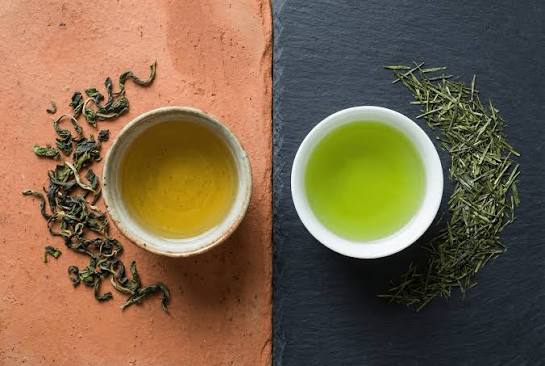
Although they may all be called green tea, different teas can have completely different personalities.
Some carry a fresh, grassy fragrance, while others offer roasted bean or chestnut notes. Some may even reveal floral aromas and a naturally sweet character.
The flavor of tea is often influenced by the cultivar, place of origin, climate, altitude, harvesting season, and tea-making techniques.
It is much like the relationship between wine and the land. 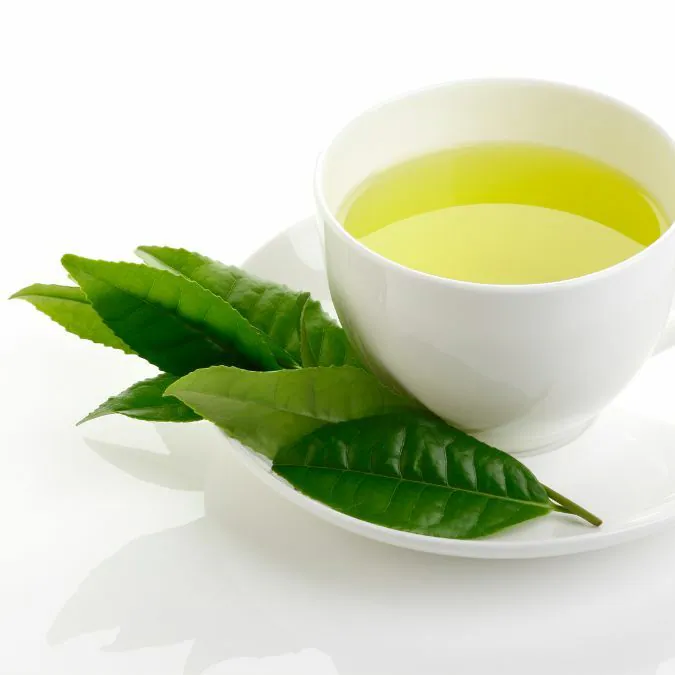
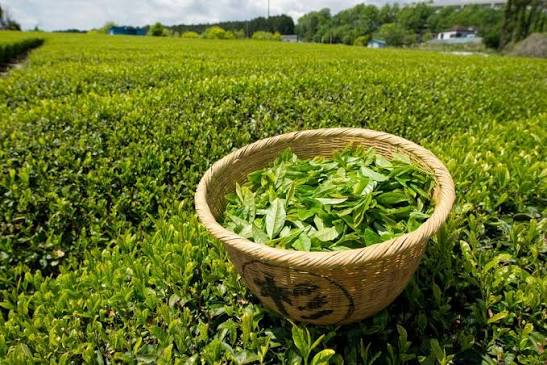
The sunlight, soil, and climate of a tea plantation can all quietly leave their imprint on the tea in your cup.
Therefore, drinking tea is not simply about deciding whether it is “good” or “bad.” It can also be a journey of exploration.
Beginning with a single cup of tea, we can discover a mountain, a piece of land, and the people whose lives are connected to it.
03|Making Green Tea Is a Collaboration Between Time and Craftsmanship
After tea leaves are picked from the branches, they do not go directly into a teacup.
Tea making is a series of delicate and carefully controlled processes.
Among them, fixation is one of the key stages in green tea production. Heat is used to inhibit enzyme activity in the leaves, helping prevent the continued oxidation that occurs in some other types of tea.
The leaves may then undergo processes such as rolling and drying.
Different processing techniques create different appearances, aromas, and flavor profiles. :contentReference[oaicite:1]{index=1}
| Processing Stage | Primary Purpose | Impact on Flavor |
|---|---|---|
| 🌱 Harvesting | Selecting fresh leaves suitable for tea production | Determines the quality of the raw material |
| 🔥 Fixation | Inhibiting enzyme activity | Preserves the tea’s fresh character |
| 🍃 Rolling | Shaping and gently breaking down the tea leaves | Influences the release of flavor into the tea liquor |
| ☀️ Drying | Reducing moisture and stabilizing the tea | Helps develop aroma and flavor |
| 📦 Storage | Maintaining tea quality | Helps prevent moisture absorption and deterioration |
A cup of tea may appear simple, yet it embodies the combined efforts of nature and the people who make it.
04|Drinking Green Tea Can Also Be a Ritual of Everyday Life
Modern life is always moving quickly.
Our phones constantly light up with notifications, one task follows another, and time always seems to be in short supply.
Brewing tea, however, asks us to slow down for a moment.
Boil the water, warm the cup, add the tea leaves, and pour in the water.
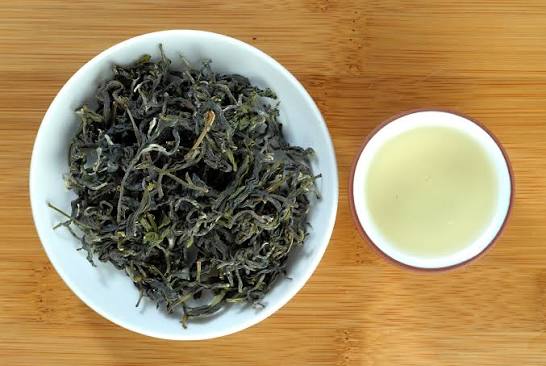
Wait as the leaves gradually unfurl in the rising steam, then watch the tea liquor slowly deepen in color.
Those few minutes may not accomplish any work, yet they can help us rediscover our own rhythm.
That is why the value of a cup of tea is sometimes about more than flavor.
It gives us a reason to pause.
For a few minutes, when nothing needs to be chased, simply sit down and enjoy a cup of tea.
05|Green Tea and Health: Beyond Refreshment, Moderation Matters
Green tea contains compounds such as polyphenols and caffeine, which have long attracted attention in nutrition and food research.
However, green tea is not a medicine and cannot replace a balanced diet or medical treatment.
For most adults, moderate consumption can generally be part of an everyday diet. However, people who are sensitive to caffeine, pregnant individuals, or those taking certain medications may wish to consult a healthcare professional according to their individual circumstances.
The most important thing about drinking tea is still finding an approach that suits you.
There is no need to drink large amounts simply for the sake of health, nor should tea be treated as some kind of miraculous health product. 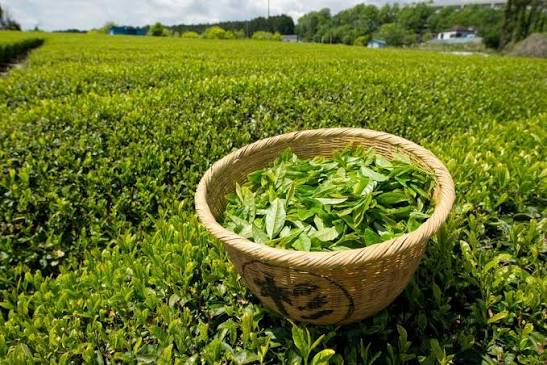
A truly healthy tea-drinking habit is one that allows you to enjoy the flavor while also knowing when enough is enough.
06|A Cup of Green Tea Can Also Reveal the Beauty of Eastern Culture
Tea has a deep and enduring history throughout Asian cultures.
From traditional tea ceremonies and everyday hospitality to modern tea culture, tea has continued to evolve across different eras.
It can represent a form of etiquette in a formal setting, or simply be a pot of warm tea shared by family members sitting together on an afternoon.
In particular, the clear and natural character of green tea easily evokes the Eastern appreciation for simplicity and stillness.
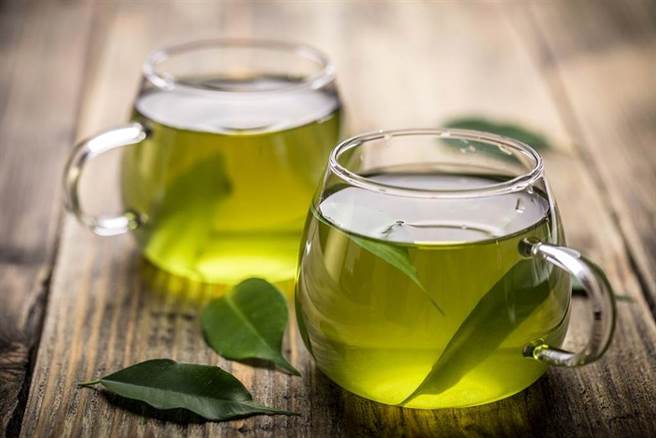
A wooden table, a single teacup, and a freshly brewed pot of green tea.
There is no need for excessive decoration, yet the entire space can suddenly become quiet.
Sometimes, what life truly needs is not more things, but less noise and more awareness.
07|Choosing a Green Tea That Suits You
There is no single right answer when it comes to drinking tea.
Some people enjoy freshness, while others prefer a fuller body. Some love hot tea, while others prefer cold-brewed tea. 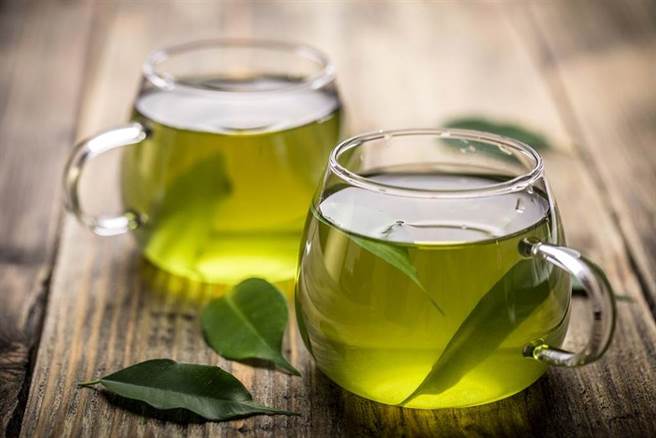
When choosing tea, you can simply begin with your own preferences.
| Preference | Direction to Explore |
|---|---|
| 🌿 Prefer freshness | Choose a green tea with a bright aroma and fresh, lively flavor |
| 🌰 Prefer roasted aromas | Look for teas with roasted bean, chestnut, or similar notes |
| 🌸 Prefer floral aromas | Choose tea varieties with noticeable floral characteristics |
| 🧊 Prefer a refreshing taste | Try preparing the tea using the cold-brew method |
| ☕ Prefer a stronger flavor | Adjust the amount of tea leaves or the steeping time |
| 🌙 Drinking before bed | Consider avoiding caffeinated teas |
The most important thing is not to pursue the most expensive tea, but to discover the flavor you genuinely enjoy.
🌿 Conclusion|The Tea Leaves Sink, While Time Slowly Rises
A cup of green tea may seem simple.
Tea leaves, hot water, and a single cup.
Yet when we truly sit down and drink tea, we discover that it contains so much more——the atmosphere of the mountains and forests, the craftsmanship of tea makers, the patience of time, and the willingness to temporarily set aside the rush of everyday life.
Tea never hurries us.
It simply releases its fragrance quietly, allowing us to rediscover life one sip at a time. 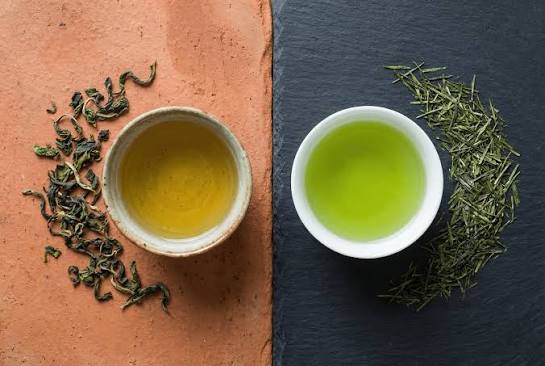
Perhaps this is the most enchanting thing about green tea.
It does not need to be intense to leave a lasting memory; it does not need to be loud to bring a sense of peace.
When the world continues rushing forward, why not brew yourself a cup of tea?
Let the steam slowly rise, let the fragrance gradually unfold, and allow your heart to slowly return to the present moment.
Life does not have to be extraordinary every day. Sometimes, a simple cup of tea is the gentlest kind of perfection an ordinary day can offer.
Tea Processing and Technical Consultation
| Expert | Department | Telephone | |
|---|---|---|---|
| Hsien-Tsung Tsai | Processing Technology Division | 03-4822059 ext. 601 | tsung@tbrs.gov.tw |
| Chiao-Sung Chiou | Processing Technology Division | 03-4822059 ext. 635 | Chiou-Sung@tbrs.gov.tw |