 Ken's Site
01|An Island of Diverse Cultural Expressions
When we think of Taiwan, many people first imagine bustling cities, majestic mountains, and the ocean surrounding the island.
Yet across this land exists a cultural heritage whose roots reach far deeper than the development of its cities.
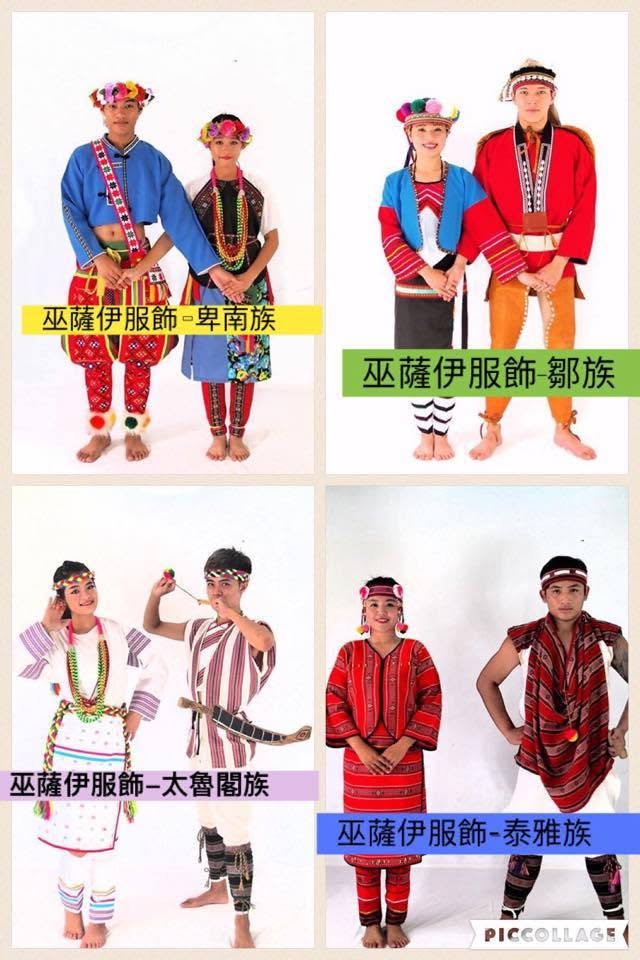
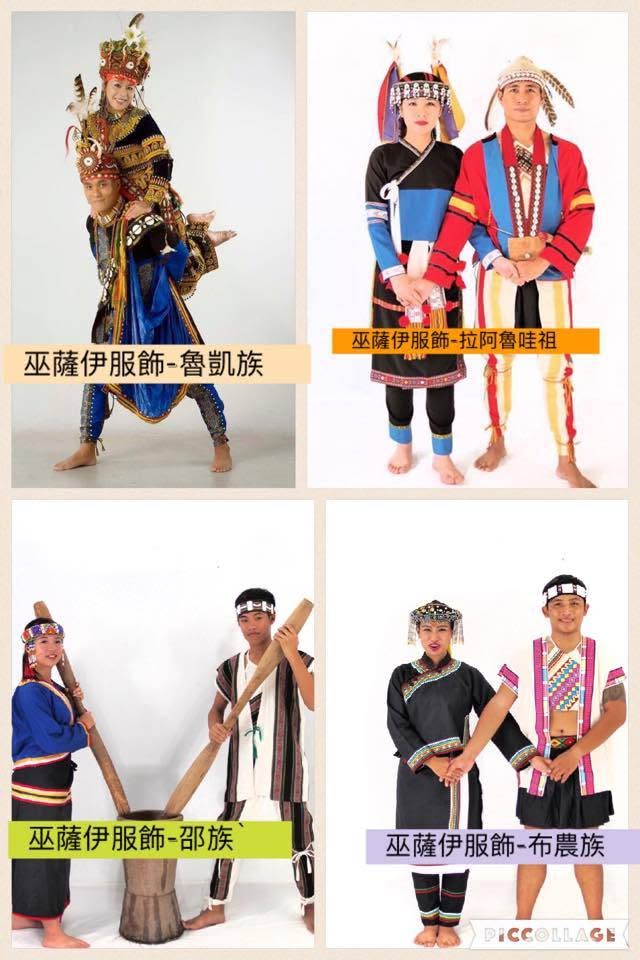
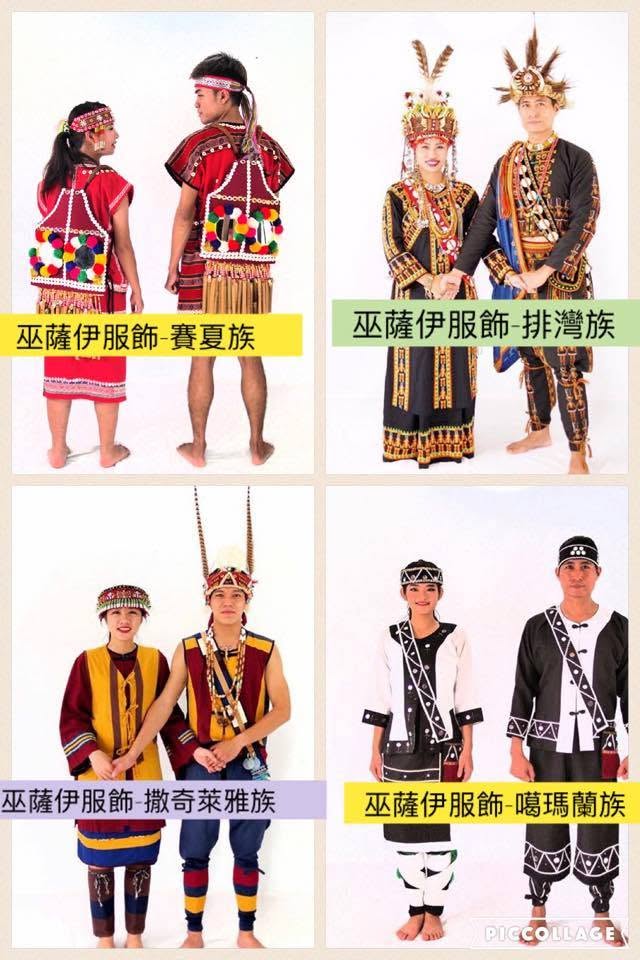
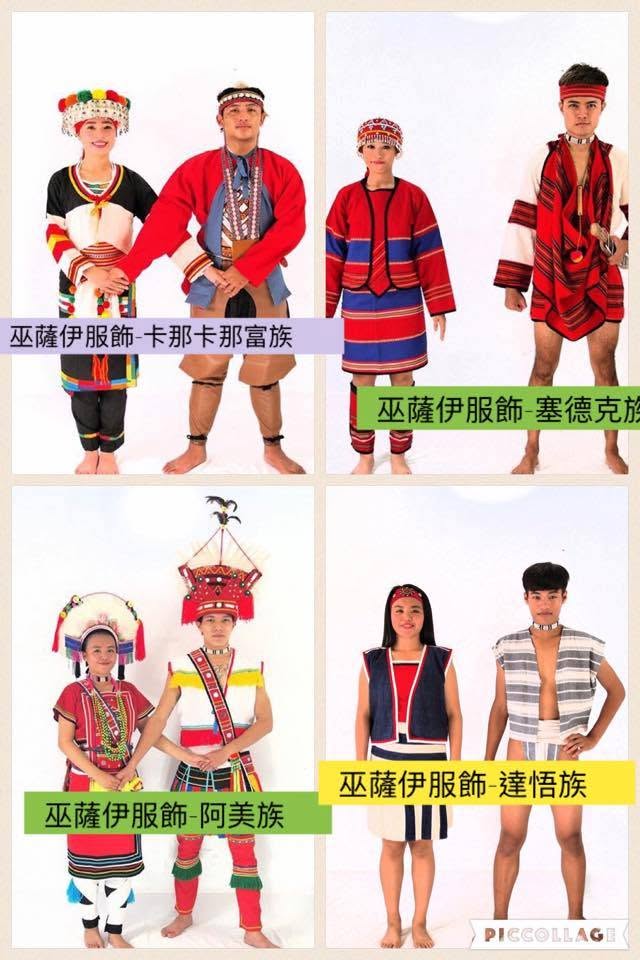
Taiwan’s Indigenous peoples each possess their own distinctive histories and cultural traditions. Today, 16 Indigenous groups are officially recognized. Living in different regions, these communities have developed distinctive languages, clothing, cuisines, rituals, music, and crafts.
These cultures are not simply ancient artifacts preserved inside museums.
They still exist today.
They live in the everyday lives of Indigenous communities, in their songs, and in the stories passed down from one generation to the next.
02|Mountains and Oceans, Memories Deep Within Culture
For many Indigenous peoples, nature has never been merely the backdrop to everyday life.
Mountains, rivers, forests, and oceans are all deeply connected to the lives of their communities.
From hunting, gathering, and farming to fishing, people and the land have developed a profound relationship of interdependence.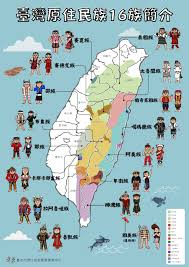
Therefore, when we talk about Indigenous cultures, we are also talking about ways of living in harmony with nature.
This relationship is not simply about “using nature,” but is closer to understanding, respecting, and coexisting with it.
Forests provide food while carrying the memories of ancestors; rivers provide water while connecting communities and everyday life; and the ocean sustains abundant life while shaping the distinctive cultural identities of coastal peoples.
These natural environments and cultural traditions are deeply intertwined, forming a cultural landscape that belongs uniquely to Taiwan.
03|Language, the Most Precious Voice of Culture
If written words can record history, then language itself is a living memory.
Indigenous languages carry the history, legends, values, and wisdom of their communities.
Behind a sentence, a name, or even a single word may lie the way ancestors understood the land and the meaning of life.
Yet the transmission of language also faces many challenges.
As younger generations leave their communities to live in cities, opportunities to use Indigenous languages in everyday life may gradually decrease, making cultural transmission an ongoing challenge.
In recent years, many Indigenous people have devoted themselves to language education, cultural documentation, music creation, and the preservation of traditional stories, hoping to help younger generations rediscover their own languages.
Because the true value of a language is not simply whether people can speak it.
It is that when an ancient expression is spoken once again, the cultural memory behind it returns to everyday life.
04|Clothing and Craftsmanship, Culture Worn on the Body
Traditional Indigenous clothing often leaves a powerful impression.
Vibrant colors, intricate patterns, and meaningful ornaments all reveal the distinctive cultural characteristics of different communities.
Yet these patterns are not created merely for aesthetic beauty.
Every design, material, and technique may be connected to a community’s history, environment, or cultural beliefs.
The same is true of traditional craftsmanship.
Techniques such as weaving, carving, beadwork, and woodworking require years of learning and hands-on practice to master.
Two hands, a single thread, or a piece of wood can, through time and dedication, become a finished work of art.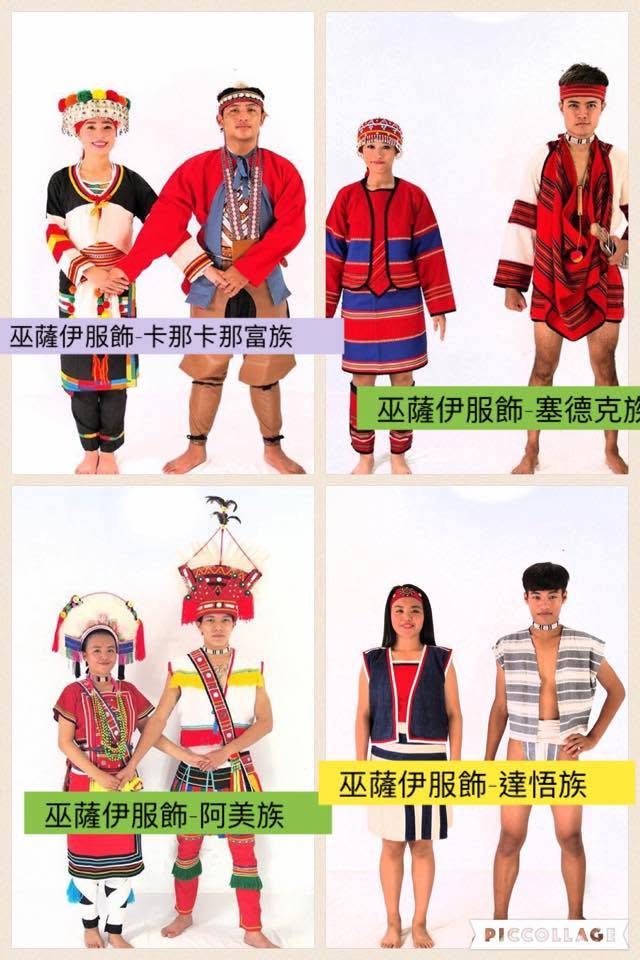
Yet what makes these works truly precious is not simply their appearance.
It is the time embedded within them, as well as the relationship between the maker and the land.
05|Songs, a Way of Traveling Through Time
Indigenous music has always been one of the most distinctive parts of Taiwan’s cultural landscape.
Traditional songs may originate from ceremonies, work, everyday life, or stories passed down through generations.
Sometimes, a song does not require complicated instruments.
The interweaving of several voices can be enough to create a melody that remains unforgettable.
Such voices are more than music; they are also a form of collective memory.
When elders sing familiar songs and younger generations learn to follow, culture continues from one generation to the next through each repeated act of singing.
Today, many Indigenous musicians have also begun blending traditional culture with contemporary music, allowing ancient melodies to enter a new era.
It is a beautiful form of cultural continuity.
Rather than remaining in the past, it carries the past forward into the future.
06|Cultural Continuity Means Moving Forward with the Times
Culture is not something unchanging.
Culture with true vitality often evolves along with the times.
Today, Indigenous youth may live in cities, use social media, create videos, design brands, or make music.
Yet this does not mean that they have lost their connection with tradition.
On the contrary, many are searching for new ways to help more people understand the cultures of their communities.
Some are relearning their ancestral languages, some are devoted to traditional crafts, some document stories from their communities, while others use visual media and design to bring culture into contemporary life.
These efforts show us that preserving culture does not mean placing the past behind glass.
It means allowing culture to continue to be used, understood, and created anew.
07|Before Understanding a Culture, Learn to Respect It
Approaching Indigenous cultures requires respect.
We can appreciate the beauty of traditional clothing, listen to music, taste traditional cuisine, and visit Indigenous communities to learn about their ways of life.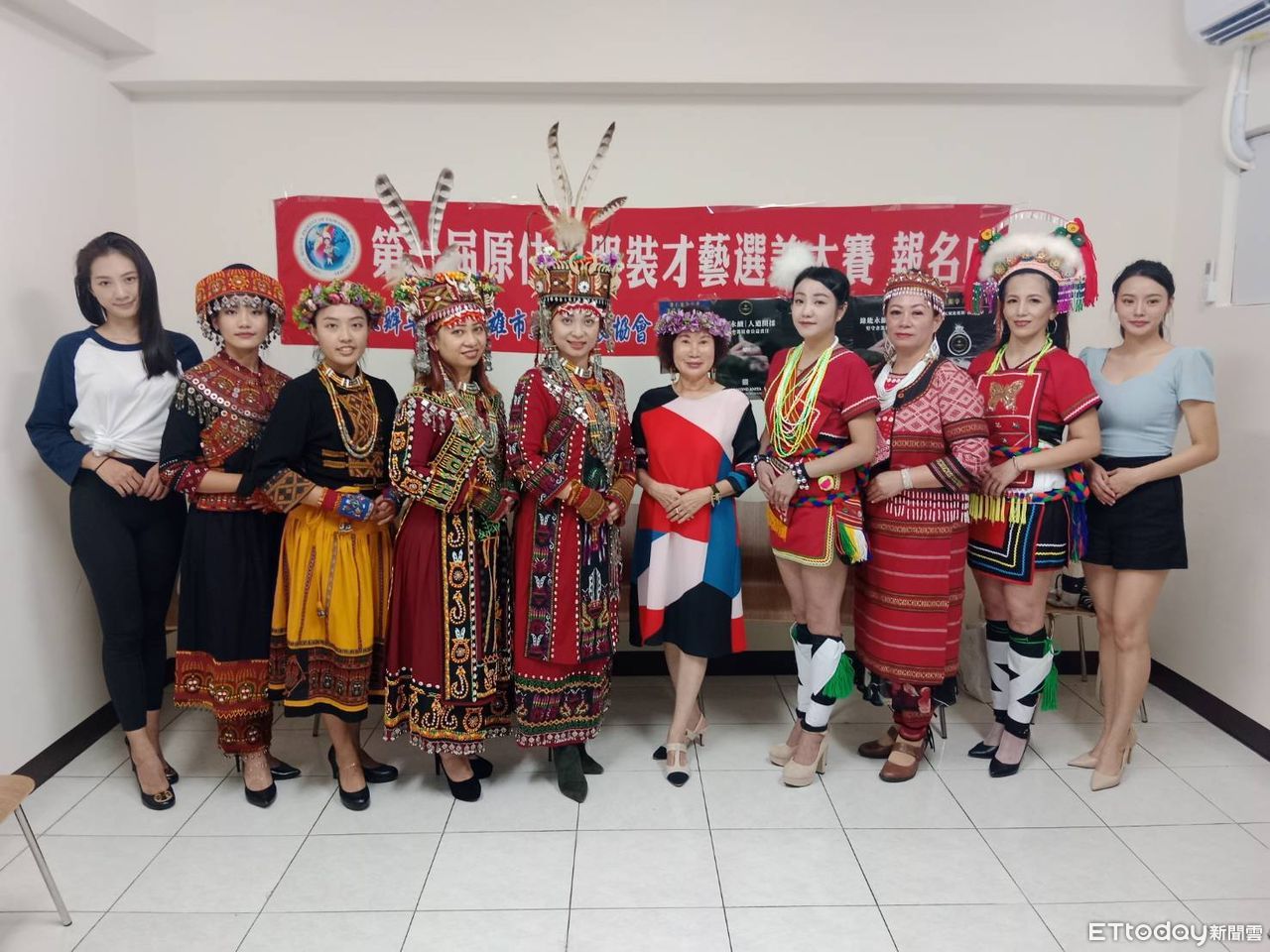
At the same time, we should understand that every culture has its own context and meaning.
Culture should not be treated merely as a tourism product or a backdrop for photographs.
True understanding begins with a willingness to learn why things are the way they are.
It means being willing to listen to Indigenous people tell their own stories.
It also means recognizing that every community has its own voice, rather than allowing outsiders to define it for them.
When we are willing to take one more step—from simply “seeing” to truly “understanding”—the possibility of genuine cultural exchange begins to emerge.
Conclusion|Keeping Culture Alive Today
Indigenous cultures are a profound and precious part of the living memory of Taiwan’s land.
They come from the mountains and forests, from the oceans, from the stories of ancestors, and continue to unfold through the creativity of younger generations today.
The most moving aspect of culture is not how ancient it is, but the fact that there are still people willing to carry it forward.
A song, a language, a handmade craft, or an oral story can all become ways of keeping culture alive.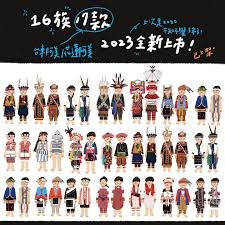
For us, learning about Taiwan’s Indigenous peoples is not simply about learning a chapter of history.
It is also about understanding this:
This island has never been home to only one culture. Rather, today’s Taiwan has been shaped by many different voices, each contributing its own story.
As the mountain winds move through the forests and waves wash against the island, perhaps those ancient songs are still echoing across the land.
And what we can do is simply pause, and truly listen.