 Ken's Site
01|Alcohol Dependence Is More Than “Really Liking to Drink”
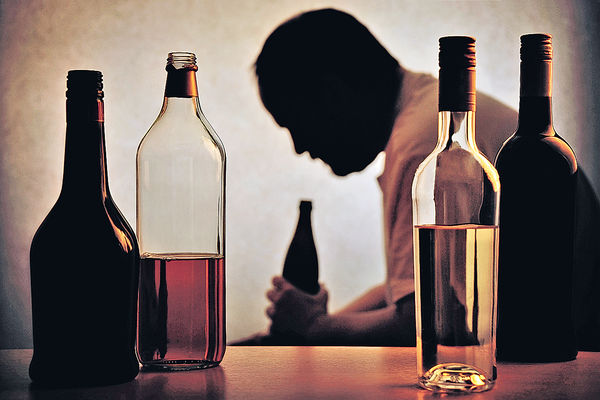
Many people’s first impression of alcohol dependence is someone who “drinks a lot every day.” In reality, alcohol-related problems cannot be determined simply by how much a person drinks.
What truly deserves attention is whether a person is gradually losing control over their alcohol use.
For example, someone may tell themselves they will have only one drink, but end up drinking much more; what was once occasional drinking may gradually become something they feel they need every day; or even after realizing that alcohol is affecting their work, health, or family, they may still find it extremely difficult to stop. These are among the patterns clinicians consider when assessing Alcohol Use Disorder (AUD). :contentReference[oaicite:0]{index=0}
Alcohol-related problems often do not appear suddenly. They may gradually become part of everyday life through repeated thoughts such as, “It’s okay, I’ll just have a drink today.”
02|Why Do People Become Dependent on Alcohol?
The temporary relaxation produced by alcohol can be one factor that contributes to problematic drinking.
Some people drink because of work-related stress. Others drink after heartbreak, loneliness, or family problems. Some simply develop a habit of having a drink before bed because they believe it helps them fall asleep more easily.
The problem is that while alcohol may temporarily dull uncomfortable emotions, it does not actually resolve the underlying reasons for that distress.
Over time, the brain can begin to form a connection between “feeling uncomfortable → drinking alcohol → temporarily feeling better.” When this pattern is repeated again and again, alcohol may gradually shift from something used for enjoyment into a way of escaping difficult emotions. Repeated alcohol use can also reinforce habit formation and powerful urges to drink. :contentReference[oaicite:1]{index=1}
Sometimes, what truly keeps a person trapped is not the alcohol itself, but the belief behind it: “I need this in order to keep going.”
03|What Signs May Suggest an Alcohol Problem?
Alcohol-related problems can look different from person to person, but there are several warning signs worth paying attention to:
| Area of Life | Possible Signs |
|---|---|
| 🍷 Drinking Control | Frequently drinking more or for longer than originally intended |
| 🧠 Psychological State | Feeling especially restless, irritable, or experiencing a strong urge to drink when not drinking |
| ⏰ Daily Life | Spending a great deal of time obtaining, drinking, or recovering from alcohol |
| 💼 Work or School | Alcohol use or hangovers interfering with work, studies, or everyday responsibilities |
| 👨👩👧 Relationships | Conflicts with family members, partners, or friends because of drinking |
| ❤️ Physical Health | Sleep, mood, or physical health gradually being affected |
| 🔄 Attempts to Stop | Trying to reduce or stop drinking but repeatedly being unable to do so |
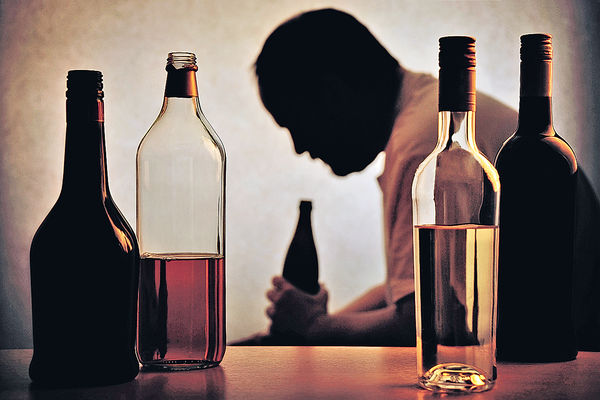
If alcohol has begun to “make decisions about your life for you,” that is a signal worth taking seriously. The clinical assessment of AUD looks at patterns such as impaired control, craving, interference with responsibilities, continued use despite problems, tolerance, and withdrawal. :contentReference[oaicite:2]{index=2}
04|Alcohol Can Affect More Than Just the Liver
When people talk about alcohol, the liver is often the first organ that comes to mind.
However, long-term or heavy drinking can affect a much wider range of areas, including the nervous system, cardiovascular system, digestive system, sleep, and mental health.
Another common misconception is that “alcohol helps you sleep.” Although alcohol may make it easier to fall asleep initially, it can interfere with normal sleep patterns and reduce sleep quality. People who drink may therefore experience disrupted sleep and feel tired the following day. :contentReference[oaicite:3]{index=3}
Alcohol can also make emotional difficulties such as anxiety and low mood more complicated.
Therefore, alcohol-related problems are not simply a matter of “drinking too much.” They may involve physical health, psychological well-being, and everyday functioning at the same time. :contentReference[oaicite:4]{index=4}
05|Why Can’t Quitting Alcohol Depend Entirely on Willpower?
“If you want to quit, just stop drinking” may sound simple, but in reality it can be extremely difficult.
For people who have been drinking heavily for a prolonged period, suddenly stopping alcohol can lead to withdrawal symptoms such as tremors, sweating, anxiety, nausea, insomnia, or an elevated heart rate. In severe cases, withdrawal can become medically dangerous and may include seizures or delirium tremens. :contentReference[oaicite:5]{index=5}
Therefore, for someone who has been drinking heavily for a long time or may have developed alcohol dependence, it is important not to abruptly stop drinking and simply try to endure the symptoms alone. Medical assessment and appropriate support can make withdrawal safer.
Recovery is also not limited to the two choices of “drink” or “do not drink.” Professional support may include physical assessment, behavioral therapy, mutual-support groups, and medication prescribed by a healthcare professional when appropriate. :contentReference[oaicite:6]{index=6}
Meaningful change often begins not with blaming yourself, but with finding an approach that fits your needs.
06|Supporting Someone With an Alcohol Problem Requires Understanding, Not Shame
When facing a family member or friend who is struggling with alcohol, the easiest response may be criticism:
“Why can’t you control yourself?”
“You drink like this and still won’t quit?”
“You’re so useless.”
However, shame and stigma do not necessarily make change easier. They may instead cause someone to hide their drinking problems even more. Healthcare guidance emphasizes nonjudgmental conversations that focus on the person’s health and well-being. :contentReference[oaicite:7]{index=7}
A more supportive approach is to express concern during a relatively calm moment, for example:
“I’ve noticed that drinking seems to be making things difficult for you lately, and I’m worried about you.”
Focus on the impact on health and everyday life rather than labeling someone as an “alcoholic.”
At the same time, remember that supporting someone does not mean taking responsibility for all of their consequences. Family members also need to establish healthy boundaries and seek professional support when necessary.
07|Recovering From Alcohol Problems Means Finding Your Rhythm in Life Again
The most important part of recovery is not simply taking alcohol away, but discovering, “How do I want to live without alcohol?”
This may involve rebuilding routines around exercise, sleep, hobbies, social connections, and everyday life, while learning healthier ways to cope with stress and difficult emotions.
Some people may need psychotherapy or behavioral treatment. Others may need medical support, while some may benefit from long-term encouragement from family and friends. Evidence-based treatment can include behavioral therapies, medications, and mutual-support groups, depending on individual needs. :contentReference[oaicite:8]{index=8}
And recovery is rarely a straight line.
Successfully going one day without drinking does not mean you will never experience an urge again. Likewise, a setback does not mean that everything you have accomplished has been lost.
Recovery is a journey, not a test you either pass or fail.
🌿 The Difference Between General Drinking and Possible Alcohol Dependence
| General Drinking | Possible Alcohol Dependence |
|---|---|
| Can choose whether or not to drink | Often feels that they “need” to drink |
| Can generally control the amount consumed | Frequently drinks more than originally planned |
| Can live normally without alcohol | Experiences strong cravings or discomfort when not drinking |
| Does not significantly interfere with everyday responsibilities | Work, family, or relationships are affected |
| Alcohol remains one part of life | Alcohol gradually becomes a central part of life |
| Can stop according to personal choice | Wants to stop but repeatedly finds it difficult to do so |
 🕊️ Conclusion|Life Does Not Have to Depend on Alcohol to Get Through the Day
Alcohol may temporarily help a person forget their pain, but it cannot truly solve the pain itself.
Behind someone’s struggle with alcohol, there may be accumulated stress, loneliness, trauma, anxiety, or simply an exhaustion that has never found the right words to be expressed.
That is why, when facing alcohol-related problems, what we need is not more blame, but understanding, professional support, and the courage to begin again.
Quitting alcohol is not about losing a drink. It is about gradually reclaiming the parts of life that alcohol has taken away, one piece at a time.
Sometimes, true sobriety is not simply the moment when we open our eyes, but the moment when we finally find the courage to admit:
“I need help, and I deserve to be helped.”